
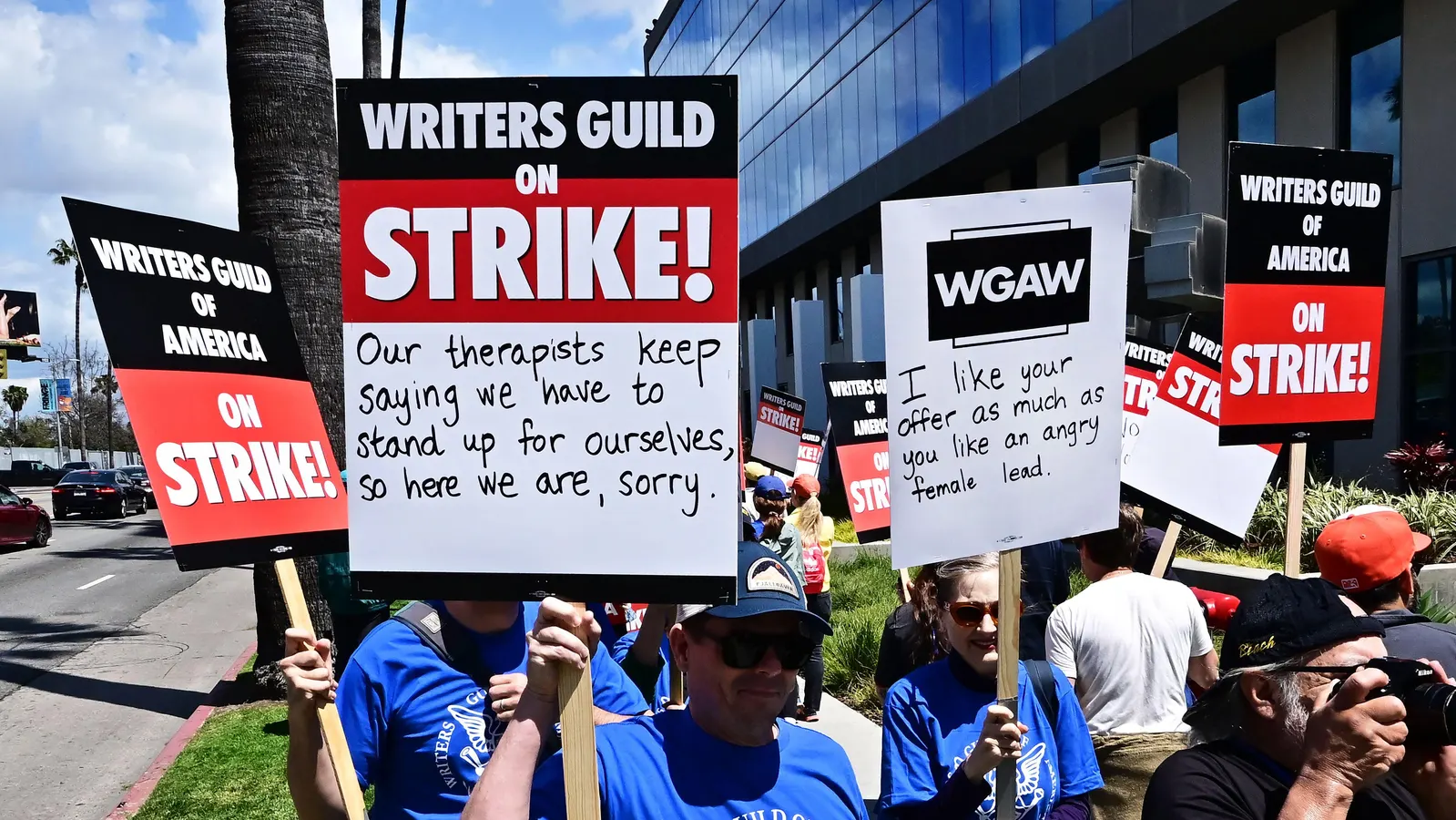
Understanding the Hollywood Writers Strike
The Hollywood writers strike of 2023 marks a significant moment in the landscape of the American entertainment industry, echoing a long history of labor movements within Hollywood. Originating from a culmination of unresolved issues, the strike is primarily centered around key concerns including fair compensation, improved working conditions, and the preservation of creative control for writers. The intricacies of these issues have brought to light the ongoing struggle between labor rights and artistic integrity.
At its core, the Hollywood writers strike emerged as a response to a perceived imbalance in the negotiation power between writers and studio executives. As the entertainment industry has evolved, particularly with the rise of streaming services, many writers found their compensation failing to reflect the changing dynamics of viewership and revenue generation. This discrepancy has fueled discontent among writers, prompting demands for agreements that account for digital royalties and equitable pay.
In a historical context, strikes among Hollywood writers are not new. Over the decades, various episodes of labor unrest have highlighted similar challenges, including the infamous Writers Guild of America (WGA) strike of 2007-2008, which, while ultimately successful in some respects, did not fully address all emerging concerns at the time. The 2023 strike can be seen as a continuation of this trajectory, as writers strive to secure sustainable and fair working conditions in a rapidly shifting industry landscape.
Overall, the Hollywood writers strike of 2023 serves not only as a reaction to immediate labor concerns but also as a reflection of the broader narrative of the entertainment industry. Writers are advocating for their rights in an era where their contributions have become indispensable, yet often undervalued. This strike underscores the importance of addressing equitable treatment and fostering an environment where creativity can flourish unhindered.
Impact on the Entertainment Industry
The 2023 Hollywood writers strike has posed significant challenges to the entertainment industry, leading to immediate repercussions for production and long-term strategic shifts. One of the most noticeable effects of the strike has been the disruption of film and television production schedules. With writers on the picket line, many projects have been stalled, resulting in a backlog of completed scripts that remain unused. This delay not only impedes the creative process but also leads to an uncertainty in release dates for both movies and series, creating a ripple effect across the industry.
The repercussions extend beyond mere scheduling conflicts; they also influence the content landscape of upcoming releases. Major studios often plan their marketing strategies and distribution timelines around completed scripts and ready-to-shoot productions. With many projects now on hold, there is a risk of decreased viewership as audiences might be left waiting for new content, leading to a potential loss of engagement. The strike’s impact on television programming is particularly pronounced, as popular series face interruptions, prompting concerns for season renewals and show continuations.
Moreover, the Hollywood writers strike has significantly altered the power dynamics within the industry. Traditionally, studios have wielded substantial control over writers, but this strike has empowered writers to assert their demands more prominently. As the public focuses on the strike, actors, directors, and other crew members find themselves standing in solidarity with writers, leading to a collective reassessment of contractual relationships and remuneration practices.
Economically, the strike has implications that affect numerous stakeholders. Actors and crew members may face a slowdown in income due to halted productions, while studios experience financial losses stemming from postponed releases. This disruption may lead to long-lasting changes in how revenue is generated and allocated in the industry. Such developments necessitate a thoughtful evaluation of business models to ensure sustainability in a post-strike environment.
Public and Fan Reactions
The Hollywood writers strike has not only triggered significant internal discussions among industry professionals but has also ignited a widespread public response. As the strike commenced, social media platforms became hotbeds for expressions of solidarity, with fans and supporters sharing their sentiments about the ongoing conflict. Hashtags such as #WritersStrike and #SupportWriters began trending on Twitter, serving as a rallying cry for supporters of the striking writers.
Numerous fan campaigns emerged during this period, many of which sought to raise awareness about the challenges writers face in the industry. Fan-made graphics, videos, and informational posts circulated, educating the public on the reasons behind the writers’ demands. This engagement showcased a united front, illustrating how the public can influence collective action within the entertainment sector. In turn, these campaigns not only provided a platform for writers’ voices but also involved fans in the broader conversation about fair labor practices in Hollywood.
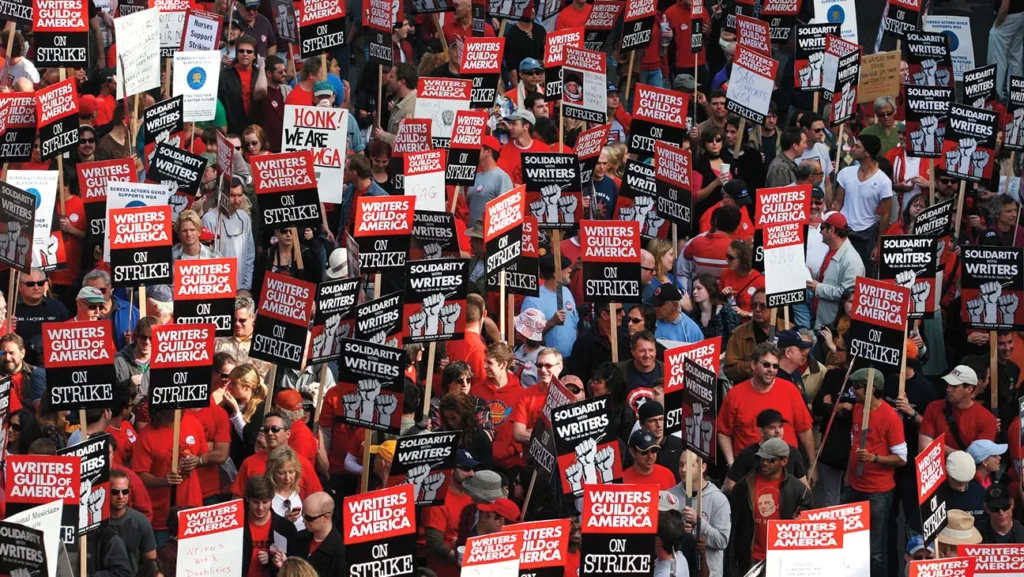
The feelings of the public regarding the Hollywood writers strike have been diverse, with many expressing empathy and support for the writers. However, there has also been a segment of the audience that voiced frustration over postponed projects and disrupted viewing experiences. This duality of public sentiment adds a layer of complexity to the discourse around the strike. Observers noted that while fans were disappointed by delays in their favorite shows and movies, many recognized the heightened significance of the writers’ struggle for fair compensation and protections.
Moreover, notable figures from within the entertainment community have publicly stood in solidarity with the striking writers. Actors, directors, and producers have shared their support through social media and in interviews, emphasizing the critical role of writers in the industry. This solidarity not only strengthens the writers’ resolve but also underscores the significance of collective action across professional boundaries. As the Hollywood writers strike continues, public engagement remains a key element in shaping the narrative around labor rights in the entertainment industry.
Looking Ahead: The Future of Writing in Hollywood
The Hollywood writers strike of 2023 has not only exposed the critical challenges faced by writers but has also opened up discussions regarding the future of screenwriting in the industry. As negotiations progress, the outcomes may significantly redefine the standards and working conditions for writers. Many industry experts suggest that this strike could lead to lasting changes in compensation structures, as writers advocate for fairer pay and better residuals, particularly in relation to streaming services that dominate today’s media landscape.
One possible outcome of the strike is a more equitable distribution of power within the industry, encouraging a more diverse range of voices in storytelling. This shift may lead to innovations in narratives, as writers push for creative freedom and the ability to explore underrepresented stories. In this regard, the implications of the strike may extend beyond financial compensation; they could also reshape the very fabric of television and film, fostering a culture of inclusivity and creativity that resonates with evolving audience tastes.
Furthermore, the strike has highlighted the importance of understanding audience consumption patterns in a rapidly changing entertainment environment. As viewers continue to migrate towards on-demand content, the demand for high-quality, compelling scripts remains unwavering. Consequently, writers may leverage this moment to advocate for new models of collaboration with producers and studios, ensuring that storytelling remains at the forefront of any future developments.
As we consider the long-term effects of the Hollywood writers strike, it is likely that the standards established during this tumultuous period will guide the industry for years to come. The writer’s voice may become more powerful, asserting its significance in shaping not only content but also the mechanisms behind its creation. In conclusion, the actions taken today during this writers strike may play a pivotal role in defining the future landscape of writing in Hollywood, impacting both writers and audiences alike as the industry continues to evolve.
